Many parents in GK 2 notice that their child struggles with sensory challenges that affect daily routines, school activities, or playtime. You might see your child avoiding certain textures, getting overwhelmed by loud noises, or having difficulty with tasks like dressing or eating. These moments can feel confusing and worrying, especially when you want to help but are unsure how.
If this sounds familiar, you’re not alone. Sensory issues are quite common among young children, and many families in GK 2 face similar concerns. Understanding these challenges is the first step toward supporting your child’s unique needs with kindness and patience. For instance, a child might refuse to wear a particular shirt because of its fabric, or they may cry when they hear a vacuum cleaner. These reactions are not uncommon and can be addressed effectively.
The good news is that with the right support, children can make meaningful progress. Occupational therapy for sensory issues in GK 2 offers gentle, play-based approaches that help children feel more comfortable and confident in their daily lives. This support can open doors to greater independence and joy for your child and family. For example, using sensory-friendly products like tagless clothing or noise-canceling headphones can make a significant difference in your child’s comfort levels.
Table of Contents
- Understanding the Challenges Parents Notice
- How Occupational Therapy Helps Children Grow
- What Therapy Sessions Usually Involve
- Everyday Examples for Families in GK 2
- Common Questions Parents Ask
- Next Steps for Parents in GK 2
Understanding the Challenges Parents Notice
You might notice that your child has difficulty with everyday tasks that seem simple to others. Many children with sensory issues find it hard to tolerate certain clothing fabrics, resist brushing their hair, or become upset by unexpected sounds at school or home. These challenges can make mornings stressful or cause your child to avoid activities they once enjoyed. For example, a child may refuse to wear socks because they feel uncomfortable, leading to a struggle every morning.
In play, your child might shy away from messy textures like sand or finger paint, or they may prefer to play alone rather than join group games. Self-care tasks such as buttoning shirts, using utensils, or washing hands might take longer or cause frustration. These behaviors are not about being difficult; they are your child’s way of coping with sensory information that feels overwhelming or confusing. Parents can help by introducing sensory play at home, such as using playdough or sensory bins filled with rice or beans, to gradually expose their child to different textures.
How Occupational Therapy Helps Children Grow
Occupational therapy in GK 2 focuses on helping your child build skills that support independence and confidence. Therapists use play-based activities tailored to your child’s interests and strengths, making therapy feel fun and engaging rather than like a chore. For instance, if your child loves animals, a therapist might incorporate animal-themed activities to make sessions more relatable and enjoyable.
This approach encourages children to explore different textures, movements, and sensations in a safe environment. Over time, they learn to manage sensory input better, which helps them participate more fully in school, play, and daily routines. Celebrating small victories along the way boosts your child’s self-esteem and motivates continued progress. For example, successfully trying a new food or wearing a new type of clothing can be a significant achievement worth celebrating.
What Therapy Sessions Usually Involve
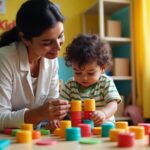
During therapy sessions, your child might engage in sensory play such as exploring soft fabrics, squishy balls, or water activities that provide calming or alerting sensations. Fine motor skill games like threading beads or using tweezers help improve hand coordination needed for writing and self-care tasks. Additionally, tools like fidget spinners or stress balls can be introduced to help your child focus and manage anxiety during sessions.
Gross motor activities might include jumping, swinging, or balancing exercises that support body awareness and coordination. Therapists also practice everyday skills like dressing, eating, or handwashing through fun, step-by-step activities that build independence. Each session is designed to be enjoyable and motivating, helping your child feel successful and eager to try new things. Parents can reinforce these skills at home by creating a routine that includes practice of these tasks in a supportive manner.
Everyday Examples for Families in GK 2
One family in GK 2 shared how their 4-year-old son was very sensitive to clothing tags and textures, which made dressing a daily struggle. After starting occupational therapy, he gradually became more comfortable with different fabrics through playful activities and gentle exposure. Now, mornings are smoother, and he even enjoys picking out his clothes. They also found that using brands like Hanna Andersson, known for their soft, tagless clothing, helped ease his discomfort.
Another child in GK 2 had difficulty focusing in noisy classrooms and often became overwhelmed during group play. Therapy helped her develop coping strategies and sensory tools like a weighted lap pad and quiet breaks. Her parents noticed she was more engaged at school and happier playing with friends. They also implemented the use of noise-canceling headphones during homework time at home, which further improved her concentration.
Common Questions Parents Ask
How do I know if my child needs occupational therapy?
If your child shows ongoing difficulties with daily tasks, sensory sensitivities, or struggles to participate in school or play, it may be helpful to consult an occupational therapist. Early guidance can make a big difference. Look for signs such as excessive meltdowns over minor sensory experiences or avoidance of certain activities altogether.
How long does therapy take to show results?
Every child is unique, so progress varies. Some children show improvements within weeks, while others take longer. Consistency and a supportive environment at home and school help maximize benefits. Regular communication with the therapist can also provide insights into your child’s progress and areas that may need more focus.
Will my child enjoy the sessions?
Occupational therapy for sensory issues in GK 2 is designed to be fun and child-centered. Therapists use play and engaging activities to keep children interested and motivated, making sessions enjoyable for most kids. Parents can help by discussing the activities with their child beforehand to build excitement and reduce any anxiety about attending sessions.
Next Steps for Parents in GK 2
Trust your instincts as a parent and seek professional guidance early if you notice your child facing challenges. Occupational therapy services are available near GK 2 to provide compassionate, play-based support tailored to your child’s needs. Research local therapists and consider reaching out to other parents for recommendations.
Want to know more about occupational therapy in GK 2? Then reach out to us: Talk To Expert
Taking this step can help your child gain independence and joy in everyday life. Remember, early intervention can make a significant difference in your child’s development and overall happiness. By being proactive and informed, you can create a supportive environment that fosters your child’s growth and helps them thrive.